
Post-Flood Recovery: Assessing Retaining Walls After Storms in Brisbane, QLD
Spring brings moderate-to-high rainfall and major flood warnings to South-East Queensland, leaving many residents facing a common and urgent question: Has my retaining wall survived the storm, or is it compromised? Seeing a leaning, bulging, or cracked structure out the window can be unsettling, and knowing what to do next is crucial for both safety and long-term property value. Homeowners and property managers across the region are searching for reliable information and a knowledgeable supplier to help assess, repair, and future-proof retaining walls in Brisbane, QLD, after extreme weather.
How Do I Know If My Retaining Wall Needs Repair After Heavy Rain?
If your property experienced intense rainfall or flooding, keep an eye out for these signs your retaining wall could need repair:
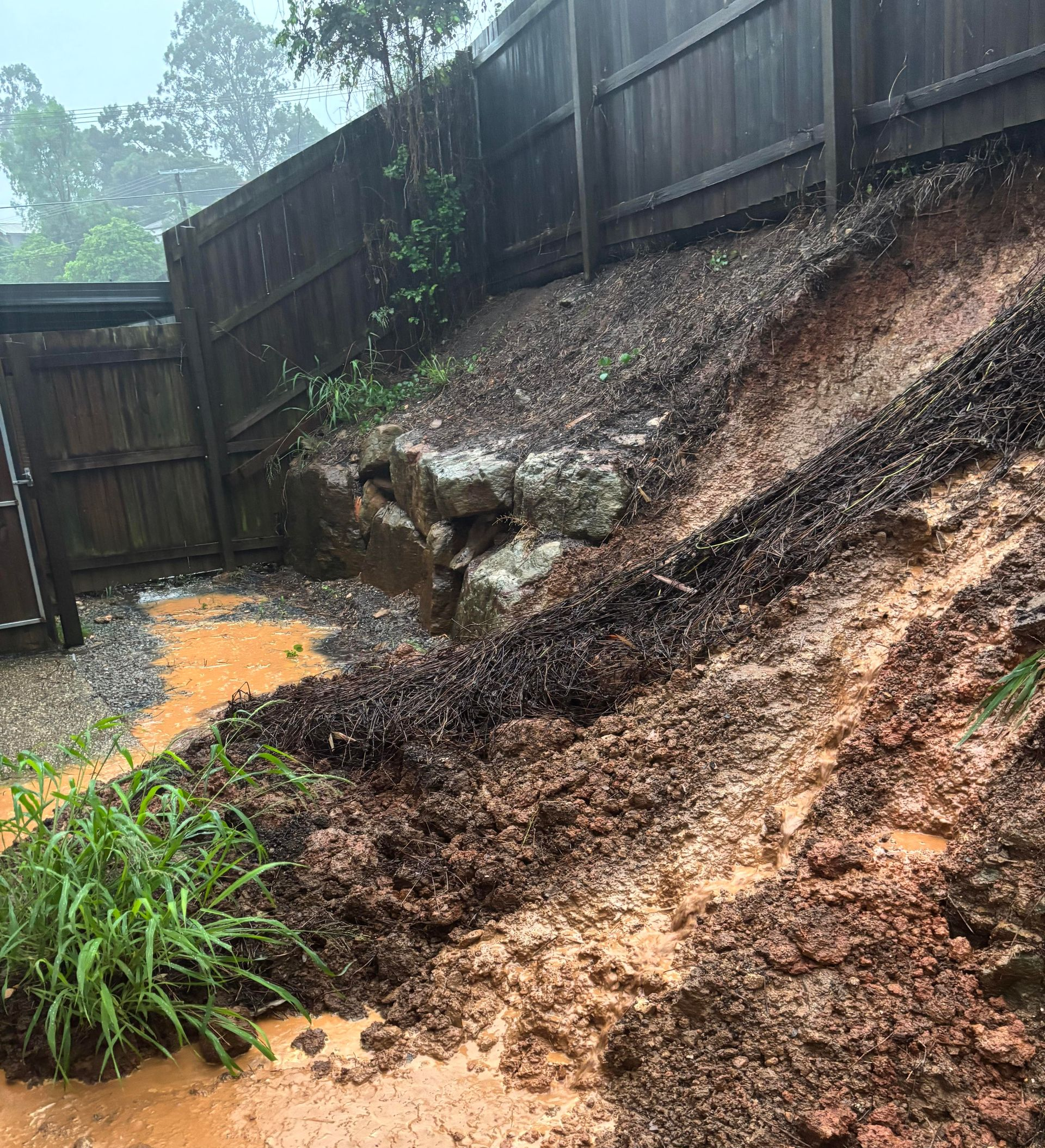
• Leaning or Bowing: A sudden tilt away from its original position is a critical warning that the wall is struggling to hold back the soil.
• Cracks or Separation: Horizontal, vertical, or diagonal cracks, especially those that appear wider after each storm, may indicate structural stress.
• Bulging or Movement of Materials: Blocks or sleepers displaced or pushed outwards are a red flag.
• Water Pooling or Erosion: Pools or saturated ground in front of or behind the wall, rapid loss of soil, or visible sinkholes are concerning.
• Drainage Problems: Overflowing weep holes, blocked aggregate, or soggy ground signal water is trapped where it should be draining away.
Even if visible damage seems minor, hidden issues beneath the surface can develop rapidly post-flood. Prompt professional assessment of the retaining walls is vital to prevent total collapse.
Understanding Hydrostatic Pressure: Why Walls Fail After Storms
Hydrostatic pressure is the unseen force that becomes a wall’s biggest test during and after heavy rain. Water trapped behind the retaining wall (often because drainage is blocked by soil, silt, or debris) creates immense pressure. Unlike dry soil, saturated earth weighs far more and exerts a powerful push. When this pressure exceeds what the wall was designed to withstand, the structure can lean, crack, or even give way completely.
Blocked drainage pipes or poorly installed drainage aggregates are among the top causes of hydrostatic pressure issues. Over time, even the most well-built wall can fail if water has nowhere to go.
Flood Recovery in Brisbane, QLD: The Importance of Drainage Solutions
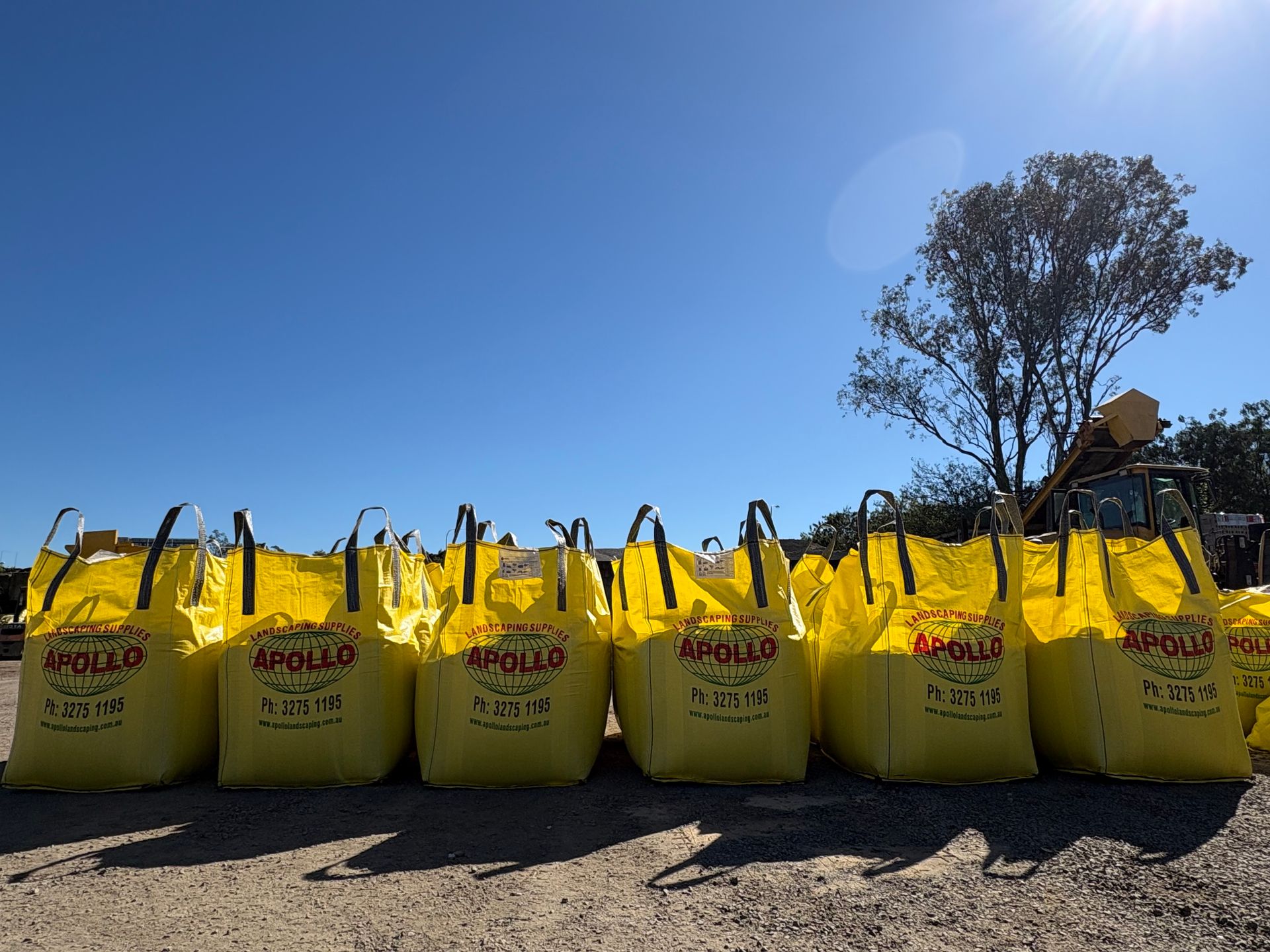
Addressing storm damage the right way means looking beyond the surface. Ensuring proper drainage is critical to the long-term performance of any retaining wall. Apollo Landscaping Supplies assists property owners and landscape professionals with:
• High-Performance Drainage Aggregates: Washed rock or gravel allows water to move freely behind the wall, minimising build-up.
• Perforated Pipes: Laid along the wall’s base, these pipes direct water away from the area efficiently.
• Geotextile Fabric: Prevents fine soil from clogging drainage pathways, maintaining flow even in the wettest seasons.
Well-selected materials and correct installation protect both new and repaired retaining walls from repeated flood damage.
When to Replace Storm-Damaged Walls: Consider Concrete Sleepers
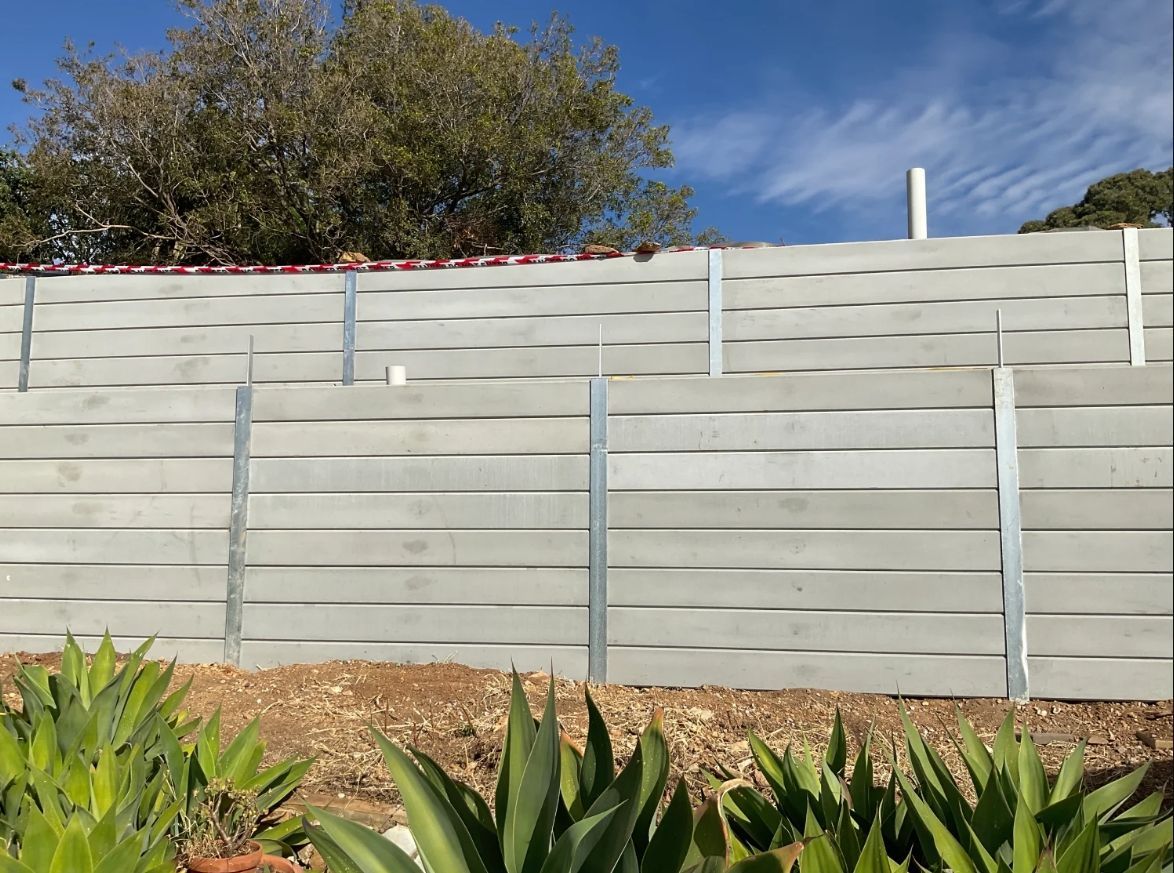
When a wall suffers major structural compromise after flooding, repairing may not be enough. Replacing the failed structure with stronger materials is often the safest and most cost-effective choice for the future. Steel-reinforced concrete sleepers are a popular and highly durable option, known for their resistance to water, pests, and erosion. These products combine engineered strength with a modern style suitable for residential and commercial properties alike.
Why Expert Material Selection Matters for Flood-Affected Sites
Post-storm, not just any product will do. Walls must be rebuilt or repaired with the right blends of drainage aggregate, concrete sleepers, and water management accessories to ensure resilience through the next wet season. The experienced team at Apollo Landscaping Supplies can help you find exactly what you need for safe, longer-lasting infrastructure around your property.
What Is the Process for Assessing and Rebuilding Retaining Walls After a Flood?
Property owners can expect the following general process after extreme weather events:
1. Visual Inspection: Look for obvious signs of damage and drainage problems, as outlined above.
2. Professional Assessment: Engage a licensed builder or engineer to provide a thorough structural analysis, particularly for extensive cracks or leaning walls.
3. Drainage Review: It is essential to evaluate whether current drainage solutions are adequate.
4. Material Selection: Choose flood-resilient materials, such as steel-reinforced concrete sleepers and high-performance drainage aggregates, to prevent future issues.
5. Wall Removal and Cleanup: Any debris or collapsed wall sections are removed for a safe and tidy worksite.
6. Rebuilding or Repair: New materials and enhanced drainage solutions are installed. Workmanship ensures the retaining wall meets current standards.
7. Final Checks: Once finished, drainage is tested and site cleanup is completed.
Regular maintenance and periodic checks after subsequent rain are recommended to maintain the wall’s performance.
Secure Your Property Today!
Is your property among those affected by the storms? Apollo Landscaping Supplies offers a comprehensive selection of products to repair or rebuild retaining walls. For expert advice, reliable materials, and solutions that protect against future flooding,
contact Apollo Landscaping Supplies today.